Picture this: you’re at the lake, you bend over the dock, and one hearing aid drops into the water. Gone. That’s a $1,500 device sinking out of reach — and a $10 retainer clip would have stopped it cold.
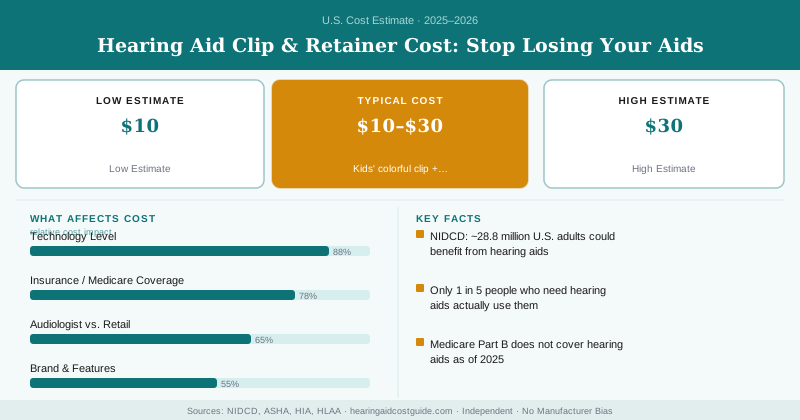
Hearing aid clips and retainers are the cheap little tethers and grips that keep your aids attached to your clothing or hair. They cost $5 to $30. For active people, kids, and anyone prone to dropping things, they’re some of the smartest money you’ll ever spend on hearing aid accessories.
What Clips and Retainers Cost
| Retention Product | Cost |
|---|---|
| Clip-on safety cord (single or double) | $5–$15 |
| Silicone ear grips/sport locks | $8–$20 |
| Huggie/ear hook retainers | $6–$18 |
| Headband or sweatband for retention | $10–$25 |
| Kids’ colorful clip + cord sets | $10–$30 |
None of this is expensive. The whole point is that a few dollars of retention gear protects a device that costs thousands.
Who Needs Retention Gear
Honestly, more people than use it. But it’s essential for:
- Kids — they’re active, and a clipped cord keeps lost aids from disappearing on a playground
- Athletes and active adults — running, cycling, and contact sports shake aids loose
- Older adults — especially those who’ve dropped aids before or have dexterity issues
- Anyone around water — boating, fishing, poolside
The NIDCD estimates about 28.8 million U.S. adults could benefit from hearing aids, and a meaningful share are seniors who’d lose far fewer devices with a simple clip.
How They Work
The most common setup is a thin clip-on cord. One end grips the hearing aid, the other clips to your collar or shirt. If the aid pops out, it dangles from the cord instead of hitting the floor or the water.
Silicone ear grips work differently — they wrap around the aid and lock it more securely into your ear, reducing the chance it falls out in the first place. Many active users combine both: a grip to hold it in, and a cord as a backstop.
Clips and retainers cost $5–$30 and are the cheapest insurance against losing a hearing aid worth thousands. Kids, athletes, and anyone near water should consider them non-negotiable. A clip-on cord catches a dropped aid; silicone ear grips keep it from falling out at all. Combine both for maximum protection.
Cheaper Than Loss Insurance
Some people buy loss-and-damage coverage instead, and that has its place. But retention gear and insurance solve the problem from opposite ends — one prevents the loss, the other reimburses it. Prevention is cheaper and avoids the hassle of claims and replacements.
If you’ve already lost an aid and faced the cost of a hearing aid replacement, you know exactly why a $10 cord is worth it. Don’t learn that lesson twice.
A clip cord only works if the aid is actually attached to it. Check the connection daily — cords loosen, and a clip that’s slipped off does nothing. Also avoid cords that are too long for kids, which can snag. Inspect retention gear as part of your routine the same way you’d check for cleaning buildup.
Will It Look Obvious?
Less than you’d think. Modern cords are thin and discreet, often skin-toned or clear. Kids’ versions come in bright fun colors on purpose. For adults worried about appearance, the cord tucks under a collar and barely shows. Compared to the alternative — a lost device — a little visible cord is a fine trade.
Where to Buy
These are widely available and not brand-specific:
- Your audiologist — can recommend the right fit, especially for kids
- Amazon and pharmacies — broad selection, low prices
- Pediatric audiology specialists — best options for children’s aids
The Bottom Line
Retention gear is the most under-bought accessory in the hearing aid world. For $5–$30, you protect a device that costs hundreds of times more. If you’re active, near water, or buying for a child, just get the clip. It’s the easiest money-saving decision you’ll make this year.
Frequently Asked Questions
Hearing aid clips and retainers typically cost between $5 and $30 per unit, depending on the type and brand. Most basic retention clips run $5–$15, while more specialized options like ear locks or custom retainers can reach $25–$30. Buying a clip upfront is a small investment compared to replacing a lost $1,500 hearing aid.
Most insurance plans and Medicare do not cover hearing aid accessories like clips and retainers, treating them as optional add-ons rather than essential components. You will typically pay the full $5–$30 out-of-pocket, though some hearing aid providers include a clip free or at a discount with your initial purchase. Check with your audiologist or insurance provider, as a few plans may offer limited coverage if the clip is deemed medically necessary.
You can purchase and receive a hearing aid clip within 1–3 business days through your audiologist or online retailers, with many offering expedited shipping options. If you order directly from a major hearing aid brand, you can often pick one up in-store same-day or receive it by mail within 2–5 business days. Installing the clip takes just minutes, making it one of the fastest ways to protect against future loss.