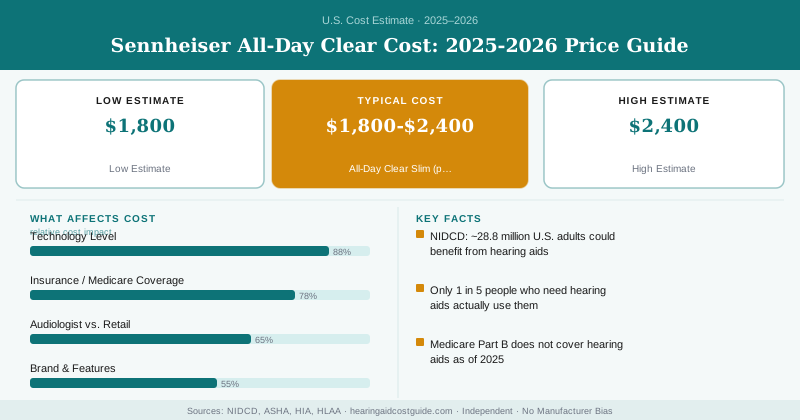
The headphone company that audiophiles obsess over now makes hearing aids. Sennheiser’s All-Day Clear line lands at roughly $1,300 to $2,400 a pair — and yes, the brand leans hard on its audio heritage. But how much of that is sound science versus name recognition? Let’s dig in.
Sennheiser’s Hearing Move
Sennheiser licensed its consumer audio name to WS Audiology (the same group behind Signia and Rexton) to launch a hearing line. The All-Day Clear models come in both self-fitting OTC versions and provider-fit “Slim” versions, blurring the line between OTC and prescription. The hardware borrows from WS Audiology’s proven platforms, so the engineering is real, not just a logo.
The OTC angle matters because of a 2022 FDA rule that created a legal category for over-the-counter hearing aids for adults with perceived mild-to-moderate loss. That rule opened the door for brands like Sennheiser to sell directly, and the FDA estimated it could save consumers hundreds to thousands of dollars per pair.
All-Day Clear Pricing
| Model | Total (Pair) |
|---|---|
| All-Day Clear (OTC, self-fit) | $1,300-$1,700 |
| All-Day Clear Slim (provider-fit) | $1,800-$2,400 |
The OTC version you set up yourself with an app-based hearing screening; the Slim is fit by a hearing professional. Prices are per pair, which is far below the $4,000-$7,000 a premium prescription pair commands.
Sennheiser All-Day Clear suits adults with mild-to-moderate hearing loss who want a recognizable audio brand and app-based control at a mid-range price. If you have more than moderate loss, you’ll be better served by a fully prescription device fit by an audiologist.
Charging and Connectivity
All-Day Clear models are rechargeable and stream to phones with a companion app for adjusting settings yourself. For how OTC streaming compares, see our Bluetooth hearing aid guide.
OTC self-fitting relies on you setting the device correctly from an app screening — there’s no audiologist verifying the result. If you’re unsure whether your loss is truly mild-to-moderate, get a real hearing test first. Self-fitting the wrong prescription can leave speech sounding muddy.
Saving Money
- HSA/FSA funds cover OTC hearing aids as a qualified medical expense.
- Trial period: most sellers offer a 30-45 day return window — use it in your real environments.
- Compare OTC peers: weigh it against the other self-fit options before committing.
Bottom Line
Sennheiser All-Day Clear brings a trusted audio name and solid WS Audiology engineering to the mid-priced OTC and entry-prescription space, at roughly $1,300-$2,400 a pair. For mild-to-moderate loss and a self-directed buyer, it’s a reasonable value. For anything more complex, see the full picture in our best hearing aids of 2025.
Frequently Asked Questions
Sennheiser All-Day Clear hearing aids cost between $1,300 and $2,400 per pair, depending on the specific model and features included. The brand offers both over-the-counter (OTC) and prescription options within this price range, with prices typically increasing for advanced hearing aid styles and additional sound processing capabilities.
Medicare does not cover hearing aids, meaning most seniors will pay the full $1,300-$2,400 out-of-pocket cost. Some private insurance plans and employer-sponsored benefits may offer partial coverage or reimbursement, typically ranging from $500-$2,000 per pair, so you should contact your insurer to verify your specific plan's hearing aid benefits.
A typical hearing aid fitting appointment takes 1-2 hours and includes a hearing test, device selection, and initial programming adjustments. After your fitting, most providers recommend a 30-day trial period to allow you to adjust to the devices, with follow-up appointments scheduled to fine-tune settings based on your feedback.